
Daylight Saving Time Begins on March 9, 2025
As March 9 approaches, Americans are reminded that it is time to adjust their clocks for daylight saving time—moving ahead one hour.
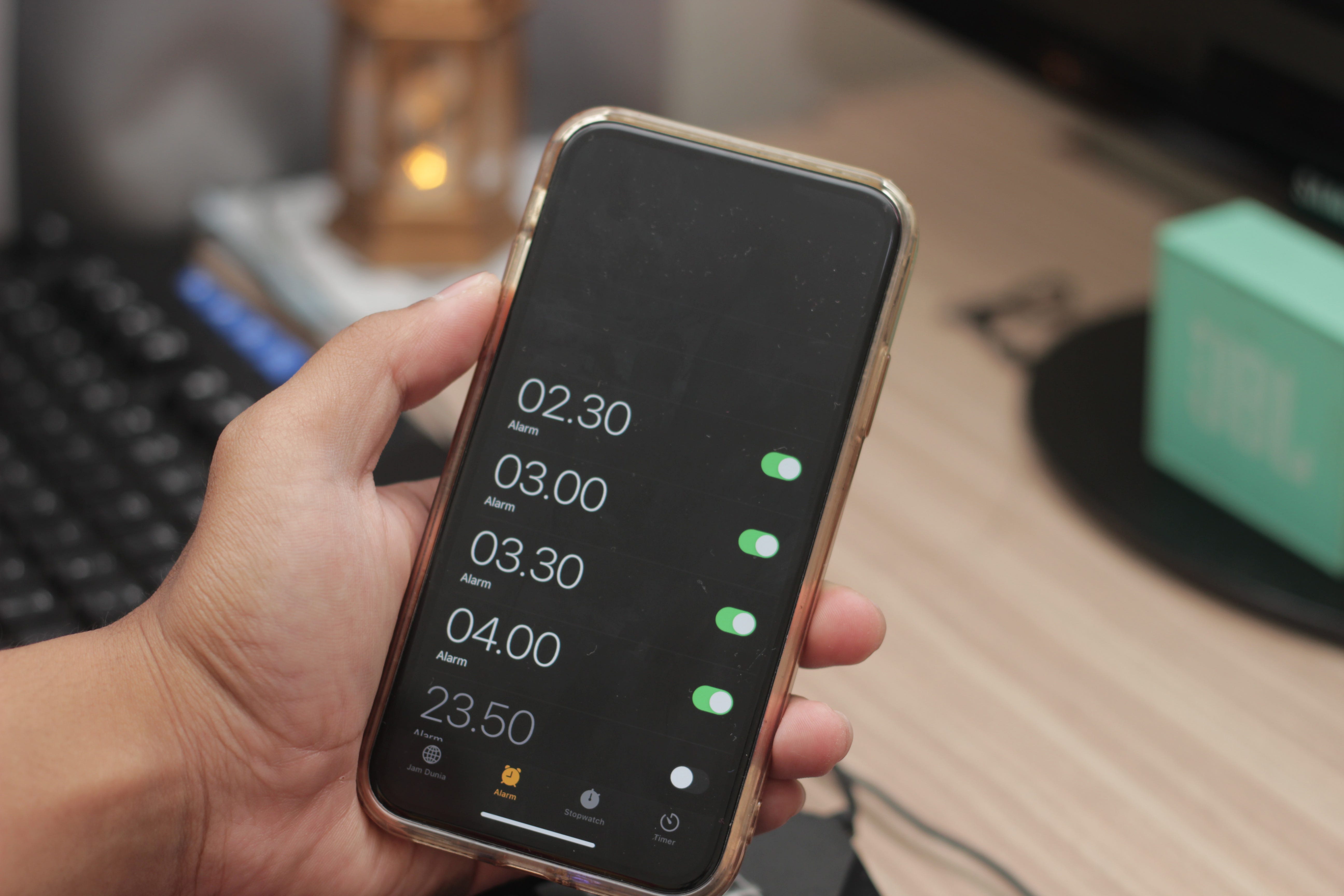
At 2 a.m. local time, clocks will turn to 3 a.m., meaning many will lose an hour of sleep. This seasonal shift aims to extend evening daylight, allowing for sunnier evenings and longer days.
What is Daylight Saving Time?
Daylight saving time (DST) typically runs from March to November, allowing for more daylight in the evenings during the warmer months. This adjustment has its roots in energy conservation, as it encourages outdoor activities after work.
Key Dates for Daylight Saving Time
The important dates for daylight saving time in 2025 are:
- Begins: March 9, 2025
- Ends: November 2, 2025
States Not Observing Daylight Saving Time
Not all states participate in daylight saving time. Hawaii and most of Arizona do not observe it. This decision is often attributed to the desire to avoid extreme climate changes and maintain consistent daylight.
The History of Daylight Saving Time
Daylight saving time was first introduced in the United States with the Standard Time Act of 1918. This legislation aimed to optimize daylight hours and reduce energy consumption.
Current Status of Daylight Saving Time Legislation
There have been ongoing discussions about abolishing the clocks’ changing process entirely. Recent bills aimed at making daylight saving time permanent have stalled in committee, leaving many to question if changes will occur.
Health Implications of Time Changes
Adjusting to daylight saving time can lead to various health concerns, including sleep disturbances and increased risk of accidents and heart issues shortly after the change. Therefore, experts advise acclimating gradually to the time shift.
Conclusion
As we prepare to spring forward this weekend, it’s essential to consider the implications of the time change on our daily lives.
For further information, feel free to explore more resources related to daylight saving time.


