
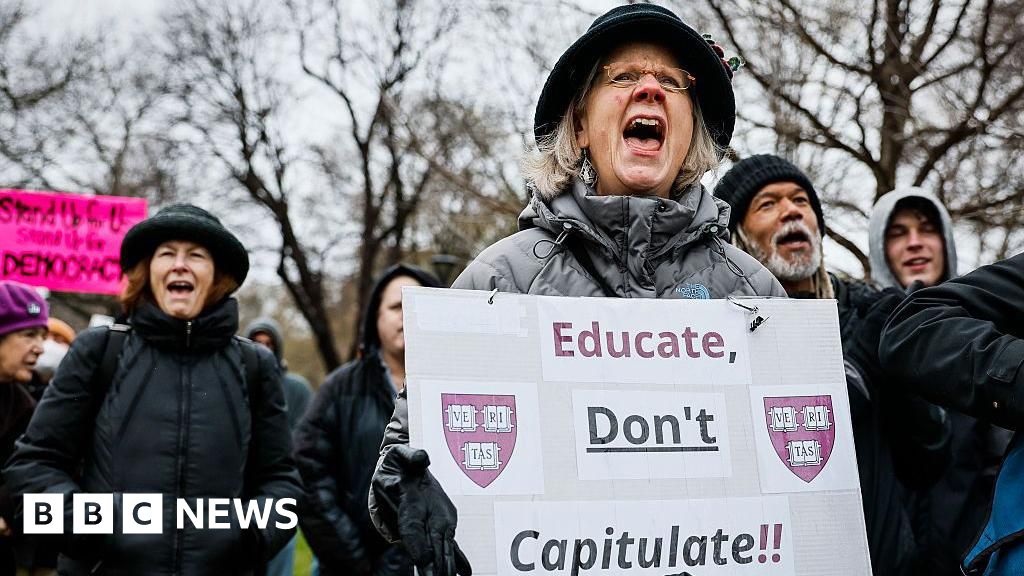
The Trump administration’s recent decision to freeze over $2 billion in federal funding for Harvard University has stirred considerable debate. This action follows the university’s rejection of a series of demands from the White House aimed at combating antisemitism on campus and altering governance practices.
The Department of Education criticized Harvard, stating, ‘Harvard’s statement today reinforces the troubling entitlement mindset that is endemic in our nation’s most prestigious universities and colleges.’ This statement came shortly after Harvard officials firmly rejected the Trump administration’s requests, declaring their commitment to academic independence.
In a letter to the administration, Harvard President Alan Garber stated, ‘The university will not surrender its independence or relinquish its constitutional rights.’ He further elaborated that the conditions set forth by the government exceed its lawful authority and infringe on the university’s autonomy.
According to the administration’s proposal, the university would have to comply with several requirements to maintain its financial relationship with the federal government. These include implementing audits of academic departments, revising its hiring practices, and reporting students deemed ‘hostile’ to American values.
The tensions between Harvard and the Trump administration have been escalating, especially following accusations that the university has failed to adequately protect Jewish students from antisemitism. Garber affirmed Harvard’s commitment to fighting antisemitism while emphasizing that these goals cannot be achieved through government overreach.
Amidst this controversy, Harvard’s faculty members have rallied support for President Garber’s decision. Notable faculty members expressed their approval of the university’s stance, signaling a unified front against what they view as excessive government demands.
As the situation unfolds, the implications for university governance and federal funding remain to be seen. What is clear is that Harvard’s commitment to uphold its academic integrity and independence is unwavering.
As Harvard navigates through this complex issue, the broader conversation about government involvement in higher education continues, raising questions about the future of academic freedom.


