
Greenland’s Recent Elections Signal Political Change
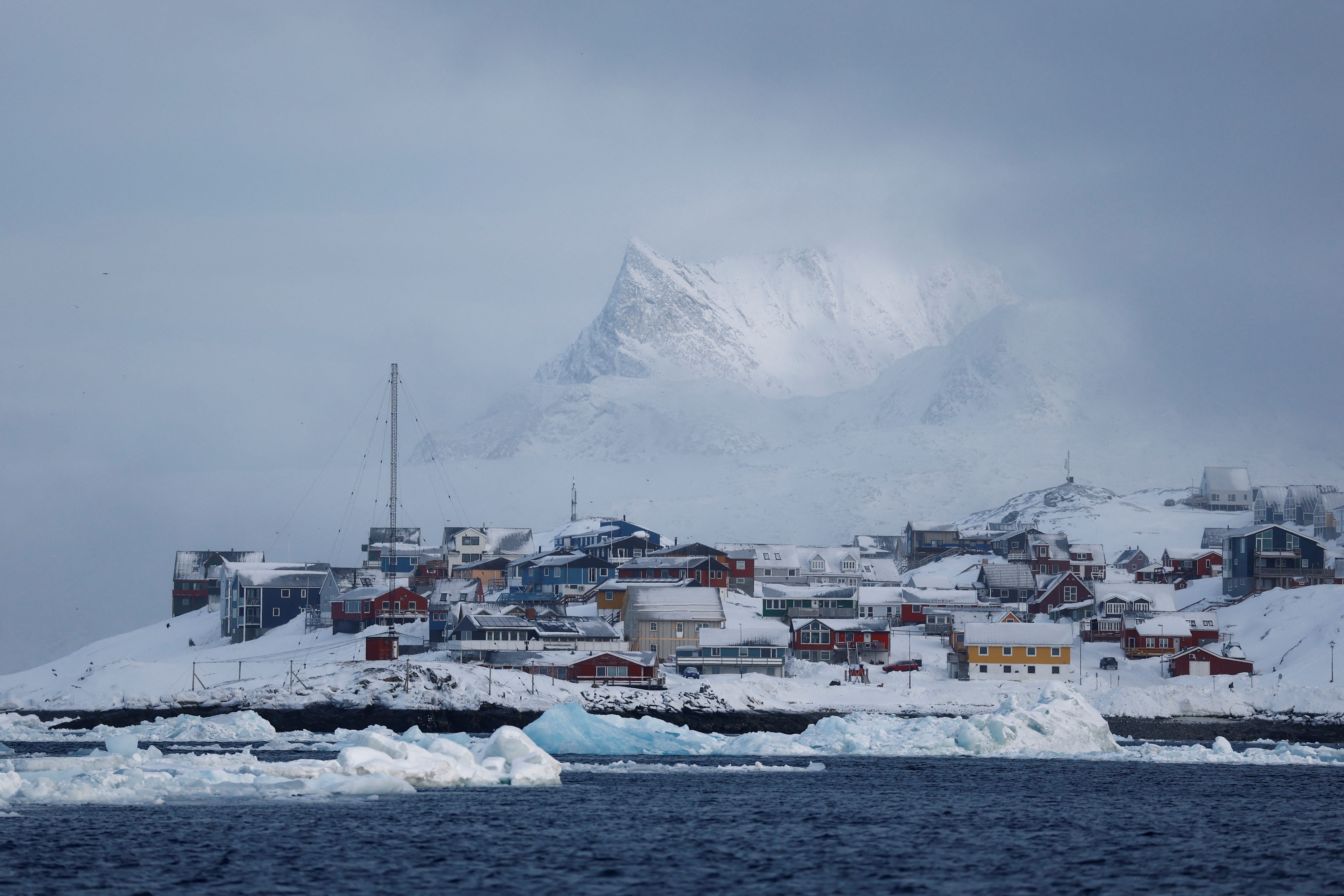
March 12, 2025 – In a significant shift towards independence, Greenland’s center-right Demokraatit party secured a stunning victory in the recent parliamentary elections, obtaining 29.9% of the vote, a notable increase from 9.1% in the last election held in 2021. This election unfolds against a backdrop of growing interest from U.S. President Donald Trump, who has expressed intentions regarding the acquisition of the world’s largest island for national security reasons.
The Demokraatit party was joined by the opposition Naleraq party, which advocates swift independence and closer ties with the U.S., garnering 24.5% of the vote. Jens-Frederik Nielsen, the newly elected leader of Demokraatit and former minister of industry and minerals, stated, ‘We don’t want independence tomorrow, we want a good foundation.’ This statement reflects the party’s approach towards gradual progress in the pursuit of autonomy.
Implications for Greenland’s Future
The election outcome holds further significance amid Trump’s frequently stated desire to annex Greenland. Despite this, many in Greenland have expressed skepticism towards full integration with the U.S., as highlighted by Nielsen’s remark, ‘We don’t want to be Americans. We want our own independence.’
In response to the elections, Greenland’s Prime Minister, Mute Bourup Egede, remarked, ‘We respect the election results and the wishes of the people.’ Egede emphasized the importance of collaboration among parties to ensure continued development and stability in governance.
Historical Context of Greenland’s Governance
Greenland has transitioned from being a distant colony of Denmark for over 200 years to gradually gaining autonomy. They hold the right to make declarations of independence through a national vote, which has yet to be scheduled. Presently, many Greenlanders support sovereignty, but there remains uncertainty about the implications for economic and defense matters.
The Broader Impact of U.S. Interest
Trump’s interest in Greenland is not solely based on security; it also includes economic opportunities involving the potential discovery of valuable natural resources in the region. Nevertheless, opinions amongst Greenlanders show a strong preference for retaining their own governance rather than merging with the U.S.
Looking Ahead
Now, with the election results signaling a desire for change, observers like Anne Merrild, a professor from Aalborg University, believe that internal negotiations will commence to chart a steady course towards greater independence from Denmark.
As Greenland navigates its path forward, the combination of local desires for sovereignty and external pressures from U.S. interests will shape its political landscape for years to come. What does the future hold for Greenland’s quest for autonomy in the face of international ambitions?


