
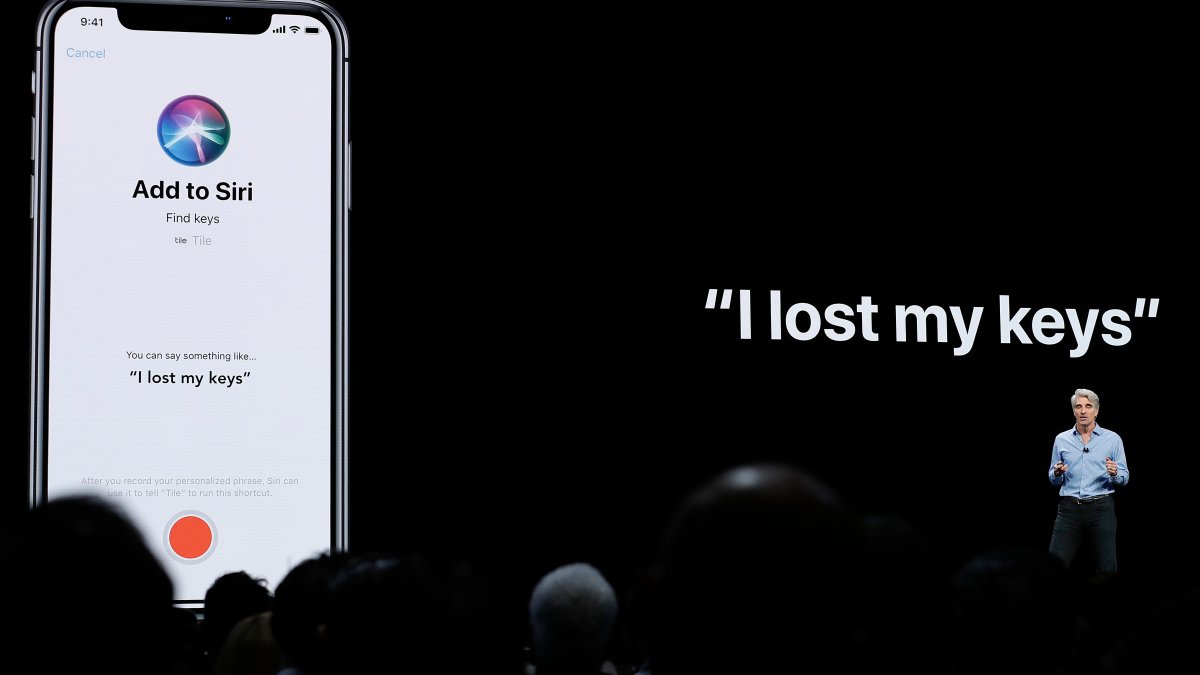
In a significant development for millions of Apple users, the tech giant has agreed to a substantial $95 million settlement pertaining to a class-action lawsuit involving its virtual assistant, Siri. This lawsuit, which has been in the pipeline for over five years, alleges that Siri was inadvertently recording private conversations without users’ consent.
The proposed settlement was filed in a federal court in Oakland, California, and it seeks to address claims that Apple’s Siri function activated without users’ command, capturing conversations that were later shared with advertisers. These calls for action contradict Apple’s long-standing commitment to user privacy, a principle echoed by CEO Tim Cook, who has championed the importance of consumer rights in the digital age.
What You Need to Know About the Settlement
This proposed settlement, still pending approval from U.S. District Judge Jeffrey White, would allow eligible users who owned Siri-compatible devices from September 17, 2014, to December 31, 2024, to file claims. Each claimant could potentially receive up to $20 per device, though the total payout will depend on the number of claims filed, as estimates suggest that only 3% to 5% of eligible users may seek compensation.
Despite the magnitude of the settlement, Apple has not admitted any wrongdoing, indicating a preference to resolve the matter without protracted litigation. Legal experts estimated that had this case reached trial, it could have resulted in much higher financial liabilities for the tech company.
Public Reactions and Implications
The reaction from users has been a mix of skepticism and humor, particularly concerning the adequacy of the payout compared to the scale of alleged privacy violations. Many have taken to social media, expressing their thoughts through memes and witty comments about the compensation amount, highlighting the irony in a settlement of this nature.
In the broader context, this case shines a light on the ongoing debate about privacy rights and data collection practices by technology companies, especially in an era where trust and accountability are paramount in consumer expectations.
The Road Ahead
The upcoming court hearing scheduled for February 14 will be pivotal in determining the final details of the settlement. As Apple navigates this issue, the case serves as a critical reminder of the responsibilities that tech companies hold in safeguarding user privacy and the legal consequences that can arise when those responsibilities are perceived to be neglected.
For users who have concerns or questions about their eligibility for the settlement, it would be wise to keep an eye on updates as they emerge from the court proceedings in the coming weeks.


