
Jury Deadlocked in Daniel Penny’s Trial
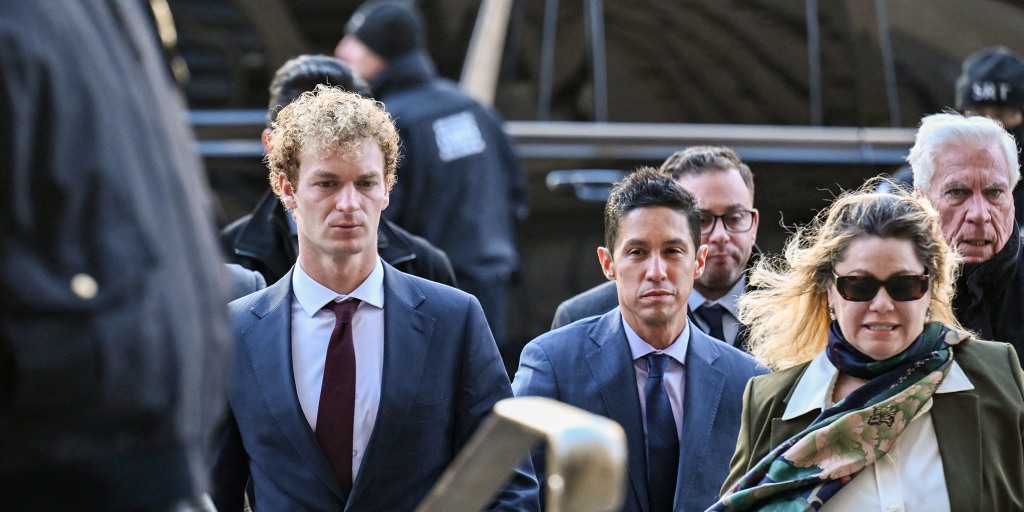
The trial of Daniel Penny, charged in connection with the chokehold death of Jordan Neely on a New York City subway, has encountered significant jury deliberations leading to a deadlock. On Friday, the judge dismissed the more serious charge of second-degree manslaughter based on jurors’ inability to reach a unanimous decision, shifting focus solely to the lesser charge of criminally negligent homicide.
Penny’s attorneys have argued that he acted in self-defense and for the safety of other subway riders when he restrained Neely, who had been reportedly making alarming statements while riding the train.
Judge Maxwell Wiley instructed the jury to reconvene and deliberate on the remaining charge, which could hold a maximum sentence of four years if Penny is found guilty. The jury, consisting of seven women and five men, will continue deliberations starting Monday.
“It is not uncommon for juries to have difficulty initially in reaching a unanimous verdict,” Judge Wiley told the jury, encouraging them to thoroughly discuss the evidence presented.
Neely, a 30-year-old former street performer who struggled with homelessness and mental illness, was reportedly acting erratically before Penny placed him in a chokehold. The encounter, lasting for nearly six minutes according to prosecutors, has generated significant media attention and public discourse regarding the complexities surrounding mental health, public safety, and the actions of bystanders in emergency situations.
In response to the jurors’ deadlock, the prosecution and defense presented differing views on the appropriateness of Penny’s actions. While the defense maintained that Penny’s response was proportionate, prosecutors argue that the force used was unnecessary given the circumstances.
As testimony continues to unfold, the courtroom is closely observing how the jurors navigate their decision-making process regarding the narrowed charge of criminally negligent homicide.


