
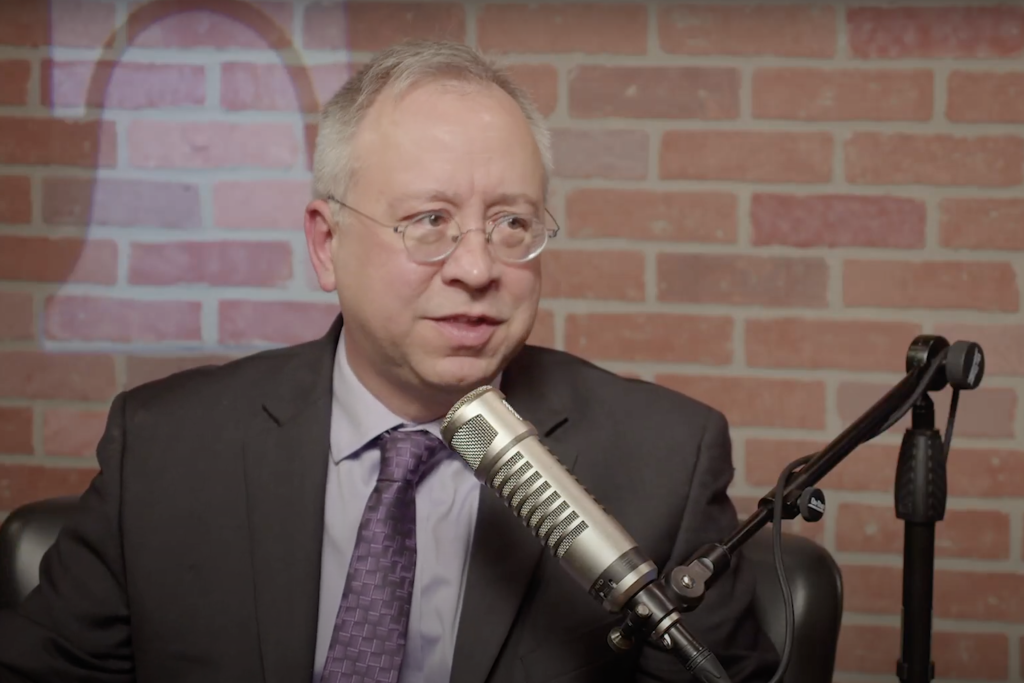
William Ruger Named Deputy Director of National Intelligence
A significant appointment in the Trump administration has stirred reactions, particularly due to the appointee’s previous criticisms of President Donald Trump’s economic policies.
William Ruger, formerly the president of the American Institute for Economic Research (AIER), has been designated as the deputy director of national intelligence for mission integration. This announcement came earlier this week from Director of National Intelligence Tulsi Gabbard. Ruger, who has affiliations with the Koch political network, steps into this pivotal role amid ongoing controversies surrounding Trump’s tariff policies.
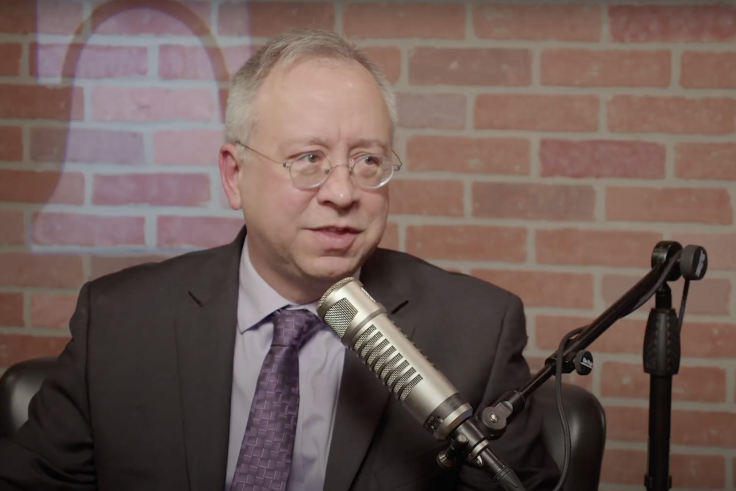
Ruger’s appointment is significant as it puts him in charge of preparing the President’s daily intelligence briefing, a task that may put him at odds with the administration’s existing economic strategies.
William Ruger expressed on Twitter, ‘President Trump and a Secretary Hegseth would be extremely well-served were people like Dan invited into an administration. They’d loyally work to make sure the president’s vision is implemented faithfully and well.’
Criticism of Trump’s Tariff Policies
Throughout his career, Ruger has been outspoken against Trump’s economic agenda, especially in regards to tariff implementations. While serving as vice president of research and policy at the Charles Koch Institute, he described Trump’s tariffs as detrimental to workers and indicated that such policies could exacerbate global instability.
In one of his 2018 posts, Ruger stated, ‘Tariffs are taxes on consumers, workers, and businesses,’ emphasizing that a robust free trade approach should align with an ‘America First’ stance, rather than protectionism.
Ruger further questioned the rationale behind isolating the U.S.’s largest trading partner, asking, ‘How is the US going to isolate its largest trading power without harming Americans?’
AIER’s Stance on Tariffs
The AIER, under Ruger’s leadership, has consistently criticized Trump’s tariffs, labeling them as ‘regressive and harmful.’ The think tank asserts that such measures have not protected American industries but instead inflated prices and damaged trade relationships.
In a piece published by AIER recently, it was argued, ‘The evidence is clear: tariffs do not protect American industries—they weaken them. They inflate prices, stifle competition, and erode international trade relationships.’
Reactions to Ruger’s Appointment
The appointment has raised eyebrows, considering Ruger’s past and the potential conflicts with Trump’s current economic policies. Gabbard’s selection has previously been questioned, particularly after the dismissal of Daniel Davis, a former nominee who criticized U.S. support for Israel.
In response to Ruger’s appointment, a Republican operative noted, ‘William Ruger has spent decades funneling Charles Koch’s money to NGOs to stop Trump from getting elected.’ This comment reflects concerns regarding Ruger’s alignment with Trump’s agenda.
Conclusion
As the Trump administration reshapes its national intelligence team, Ruger’s appointment signals a complex intersection of economic philosophy and national security. The implications of this appointment on future policy decisions remain to be seen. Will Ruger’s critical stance on tariffs influence the direction of economic strategies within the administration?
For ongoing coverage and analysis of the developments in the Trump administration, stay tuned.


