
Economic Instability Triggered by Trump’s Tariff Announcements
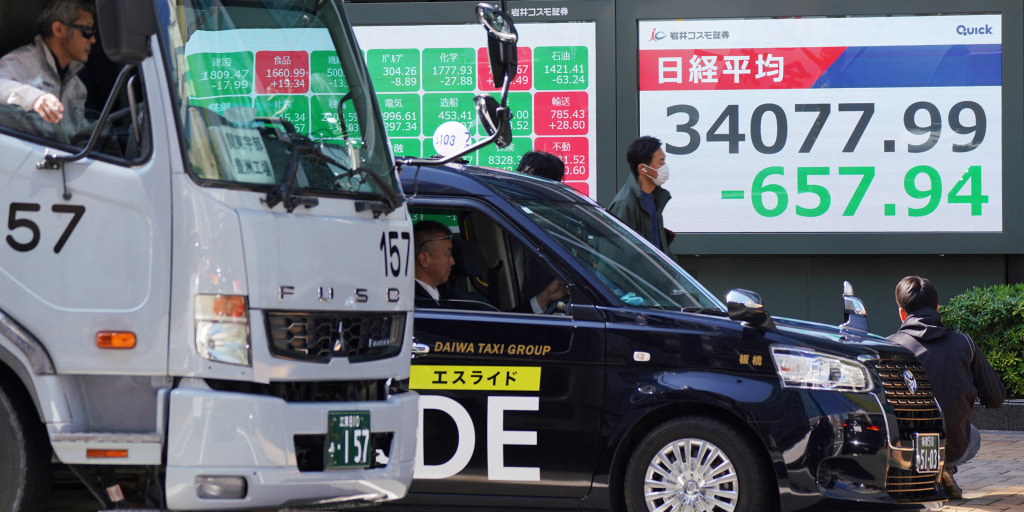
President Donald Trump’s recent announcement of sweeping tariffs has sent shockwaves through global financial markets, raising concerns over a potential trade war and economic repercussions for the United States. The tariffs, which include a 10% baseline on numerous countries and higher levies on specific nations with which the U.S. has large trade deficits, have already begun affecting prices and market stability.
Senator Ted Cruz’s Warnings
Texas Senator Ted Cruz has voiced significant concerns regarding the impact of these tariffs on consumers, particularly in the auto industry. He revealed that a meeting with an American car manufacturer indicated an expected average price increase of $4,500 on American vehicles by June. Cruz noted, ‘If we’re in a scenario with massive American tariffs… it’s terrible for Texas and America. It will hurt jobs.’
Market Reactions
Financial expert Jim Cramer criticized the tariffs’ impact on the stock market, stating, ‘If you wanted to make the market crash, I think you would go with this game plan.’ The market responded with a dramatic sell-off, with hedge funds selling the largest amount of stocks since 2010, as investors sought to hedge against the increasing uncertainty.
China’s Countermeasures
In an immediate response, China announced a 34% tariff on all U.S. goods, a move that could exacerbate the escalating trade tensions between the two nations. Chinese authorities have indicated they are ‘prepared to take the pain’ in this trade conflict.
Industry Impacts
The auto industry saw quick reactions, with companies like Hyundai pledging not to raise vehicle prices despite expected tariffs, while others like Stellantis and Ford initiated discounted vehicle pricing as a countermeasure to stabilize sales. Furthermore, firms in the electronics sector, including Nintendo, have paused pre-orders for products like the Switch 2 as they reassess the market’s reaction to these tariffs.
Economic Predictions and Concerns
The International Monetary Fund has urged nations to cooperate with the U.S. to resolve trade disputes, while JP Morgan assessed the odds of a global recession at 60% due to potential economic backlash from these policies. Federal Reserve Chair Jerome Powell indicated that the central bank plans to maintain interest rates until there is greater clarity on the economic impacts of the tariffs.
Conclusion
Trump’s tariffs represent a significant shift in trade policy that carries widespread implications for energy prices, consumer goods, and the global economy at large. As economic experts contend with the fallout, consumers and policymakers alike are left to navigate the complexities of this developing trade landscape.


