
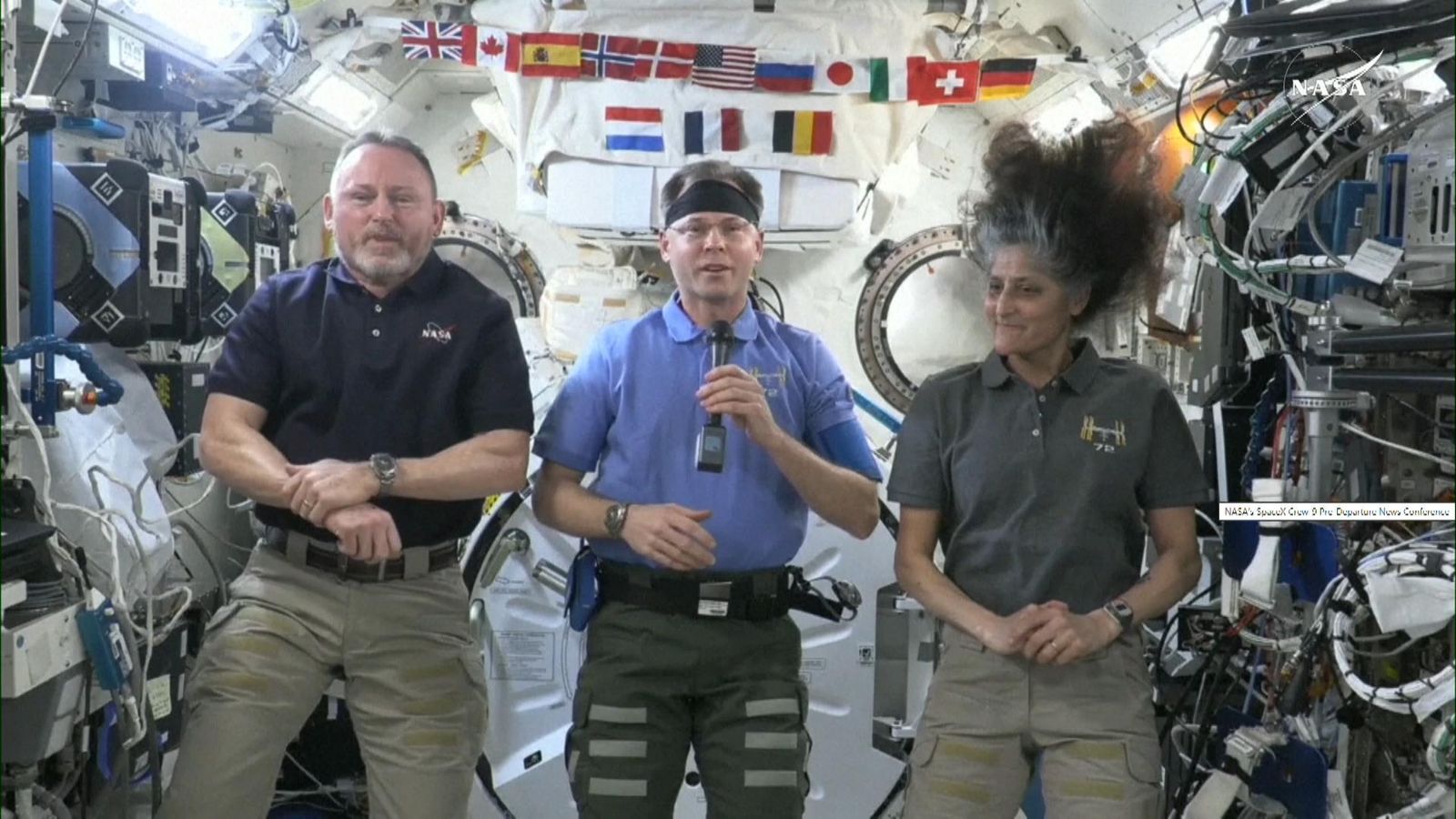
Nasa astronauts Sunita “Suni” Williams and Commander Barry “Butch” Wilmore have made their long-awaited return to Earth after an unexpected nine-month stay aboard the International Space Station (ISS). They departed from the ISS on a SpaceX Dragon capsule on March 19, concluding a mission initially planned to last just eight days.
Originally launched on June 5, 2024, as part of Boeing’s Starliner mission, complications arose that extended their stay significantly. As Williams and Wilmore settled into the ISS, several technical problems emerged with the Starliner craft, which included issues in the propulsion system, resulting in a critical decision by NASA to delay their return.
Unexpected Delays and Challenges
Experts from NASA and Boeing conducted extensive analyses to address the issues plaguing the Starliner. During this time, Williams and Wilmore remained on board, continuing their scientific work while awaiting the resolution of the technical difficulties.
Conditions aboard the ISS remained safe despite the prolonged stay, and astronauts like Williams and Wilmore engaged in over 900 hours of research, addressing various scientific challenges and performing technology demonstrations.
Returning to Earth
The astronauts embarked on their return journey early Tuesday. They undocked from the ISS and splashed down off the coast of Florida approximately 17 hours later, utilizing the Dragon capsule’s advanced heat shield and parachute systems to ensure a safe landing.
Upon returning, NASA representatives highlighted that this mission marks a significant milestone for the American space program, showcasing the evolving relationship between NASA and commercial partners like SpaceX.
Health Impacts of Long Space Missions
Extended periods in space pose unique challenges for the human body, including muscle atrophy and potential vision impairment. Williams and Wilmore, however, reported feeling healthy and prepared for their return.
As they transition back to life on Earth, experts will monitor their health closely, offering insights into the long-term effects of such missions and contributing to the knowledge required for future exploratory journeys, including potential missions to Mars.
Conclusion
Williams and Wilmore expressed their eagerness to reacquaint with their families after a significant time away while still emphasizing the value of their work aboard the ISS. Overall, their extended mission serves as a learning opportunity for NASA, illustrating both the challenges and successes of human spaceflight.


