
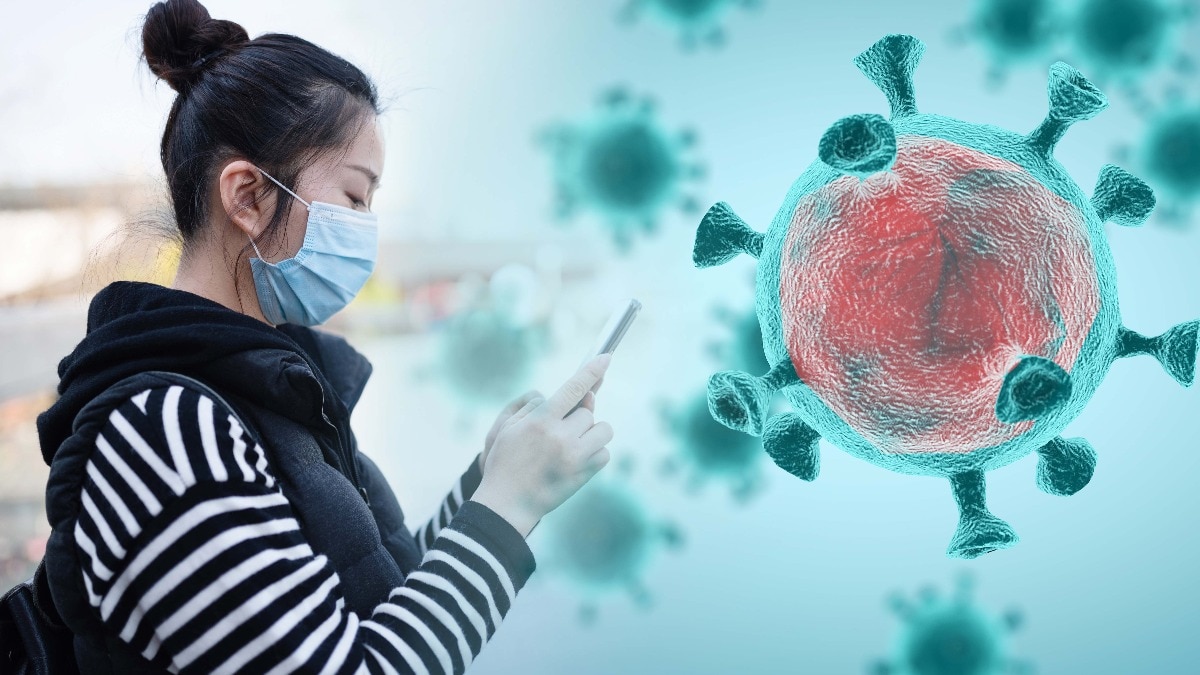
China Faces Surge in Respiratory Illnesses Linked to HMPV
In recent months, China has witnessed a notable increase in respiratory illnesses, particularly associated with Human Metapneumovirus (HMPV). This virus has drawn attention due to its similarities with the Covid-19 virus.
China’s disease control authority has introduced a monitoring system for pneumonia of unknown origin, revealing their preparedness for potential outbreaks. Despite the rise in cases, there has been no official declaration of a national emergency.
A report from Reuters details a surge in various respiratory infections, including influenza A, Mycoplasma pneumoniae, and now HMPV. This rise has prompted health authorities to anticipate a seasonal spike in infections, particularly during the winter and spring.
HMPV cases are reportedly on the rise in northern provinces, with children under 14 being the most affected. Social media posts depicting crowded hospitals have heightened public concern, although the government has not confirmed any emergency status.
The Nature of HMPV
First identified in 2001, HMPV belongs to the Pneumoviridae family and is closely related to the Respiratory Syncytial Virus (RSV). The virus typically causes mild upper respiratory symptoms, including cough and runny nose. However, it may lead to severe complications in at-risk groups such as children, the elderly, and immunocompromised individuals.
The US Centers for Disease Control and Prevention (CDC) states that HMPV infections have an incubation period of 3 to 6 days, with symptoms potentially escalating to serious respiratory distress.
Comparing HMPV and COVID-19
Although HMPV and SARS-CoV-2 belong to different viral families, they share several similarities:
- Primary Infection: Both primarily impact the respiratory system.
- Transmission: Spread occurs through respiratory droplets and contact with contaminated surfaces.
- Common Symptoms: Fever, cough, and shortness of breath.
- Vulnerable Populations: Children, elderlies, and immunocompromised individuals are at greater risk.
- Preventive Measures: Standard hygiene and social distancing practices apply to both.
However, a significant distinction is vaccine availability; HMPV currently lacks a vaccine, whereas effective vaccines exist for Covid-19.
Rising HMPV Cases
A study in the >Virology Journal highlighted a marked increase in HMPV infections in Henan, China, soon after the Covid-19 pandemic. It was noted that between April and June 2023, hospitals recorded a sharp rise in HMPV cases.
As China braces for more respiratory infections, experts stress the need for vigilant monitoring and clear communication to manage public concern.
What Should India Expect?
In the face of China’s worrying outbreak, the National Centre for Disease Control (NCDC) in India has reassured citizens that there are currently no recorded HMPV cases in the country. Dr. Atul Goyal has urged the public to maintain standard precautions and stated, “There is no cause for alarm.”
The health authorities will continue to monitor the situation while advising the public to practice general hygiene measures to prevent respiratory infections.
In conclusion, should we be worried? As of now, experts suggest that there is no immediate threat from HMPV in India, while vigilance remains a priority.


